Design-only vs furniture packages in Dubai
Design-only gives you the furnishing plan and leaves retailer orders with you. A furniture package usually combines products with ordering, delivery coordination and sometimes installation. Neither model is automatically cheaper for every brief. Compare the same products and services, then choose whether you want control and itemised costs or one party managing the work.
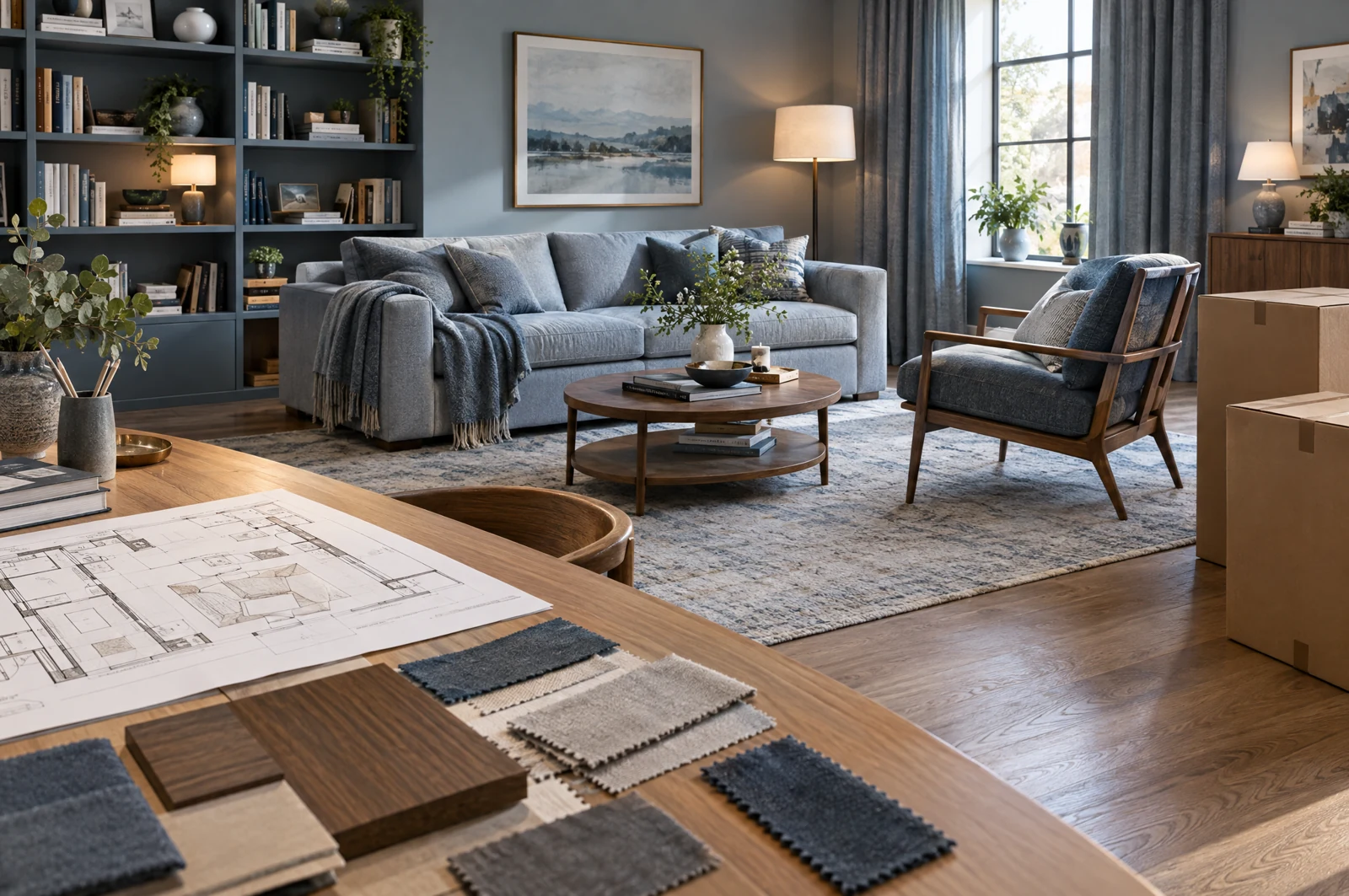
Design-only and furniture packages solve the same broad problem with different ownership. Both can begin with a layout and product choices. The split appears when buying starts.
The right choice depends on how much of the buying and delivery work you want to manage yourself. Compare the exact responsibilities and total costs before choosing either model.
Side-by-side responsibilities
| Question | Design-only | Furniture package |
|---|---|---|
| Who creates the plan? | Designer | Package provider or designer |
| Who approves products? | Customer | Customer, within the provider's process |
| Who pays retailers? | Customer directly | Provider or customer, depending on contract |
| Are product prices visible? | Usually itemised in the shopping list | May be itemised or bundled |
| Who places orders? | Customer | Usually provider |
| Who tracks delivery? | Customer | Often provider, if included |
| Who handles damage and returns? | Customer with retailer | Confirm in the package contract |
| Who installs? | Retailer or contractor hired by customer | May be included; confirm scope |
| Main customer workload | Ordering and coordination | Briefing, approvals and access |
When design-only can cost less
Design-only can reduce service cost when all of these are true:
- the goods are compared like for like
- the customer buys at the same retailer price
- no hidden delivery or setup work is being omitted
- the customer is willing to place and track the orders
- the design-only provider does not add product markup
The saving is not automatic. A customer who needs paid help with receiving, returns, storage or installation must add those services before comparing totals.
When a package can earn its fee
A package can be useful when the provider takes clear responsibility for work the customer does not want to manage. That may include placing orders, coordinating delivery slots, receiving goods, checking damage, arranging replacements and preparing the apartment for handover.
Ask for those responsibilities in writing. One bundled number has value only when the scope and remedy for problems are clear.
Compare one worked scope
Use the same brief for both proposals:
Apartment: one bedroom
Rooms: living and dining, bedroom, entry
Goods: exact required item list and quality level
Design: measured layout, selection, revisions, renders
Ordering: who places and pays each order
Delivery: who books, receives and inspects
Setup: assembly, curtains, wall mounting
Aftercare: damage, returns, replacements, snagging
Then place each cost beside the party responsible. This avoids comparing a plan-only fee with a package that includes labour and coordination.
Questions before choosing
- Do I want to approve and pay for each product directly?
- Can I spend time placing orders and booking deliveries?
- Does the building require coordinated lift or contractor access?
- Who will be present to receive and inspect large items?
- What happens when an item is damaged or unavailable?
- Do I need installation or construction, or only loose furniture?
- Can both providers show the same inclusions and exclusions?
Choose design-only when direct control and visible product costs matter and the ordering work is manageable. Choose a package when the written coordination scope is worth the fee and you want one party to carry more of the process.
HomePrint's boundary
HomePrint provides the furnishing plan: scaled layouts, style direction, a linked selection, budget, furnished renders and an interactive walkthrough. It does not procure, receive, install or resell the furniture. The customer approves the plan, buys directly from retailers and owns each order. Landlords furnishing several similar units can see how standard packs, volume discounts and quoted specialist work fit together on the rental and short-let planning page.
See the pricing page for current HomePrint fees. For a broader quote-comparison method, read interior design cost in Dubai. To keep the goods and plan separate, use furniture budget vs interior design fee.
Frequently asked questions
What is the main difference between design-only and a furniture package?
The main difference is responsibility after the plan. With design-only, you approve the list, pay retailers and manage deliveries. With a package, the provider usually manages more of the buying and coordination. Confirm whether installation, damage handling and returns are included rather than relying on the label.
Which option costs less?
It depends on the compared scope. Design-only can cost less when you buy the same goods directly and are willing to manage the orders. A package may include procurement, delivery coordination, installation and risk that a design-only fee excludes. Compare an itemised total rather than assuming either model always wins.
Who carries the risk if furniture is delayed or damaged?
With design-only, the customer normally owns each retailer order and handles the retailer relationship. With a package, the provider may manage delays, damage and replacements, but the contract needs to say so. Ask who pays, receives, inspects, stores, returns and replaces every item.
When is a furniture package a better fit?
A package can suit someone who values one point of contact and wants to reduce ordering and delivery work. Design-only can suit someone who wants direct product control, visible retailer prices and is comfortable placing orders. Time, responsibility and risk should drive the choice alongside price.